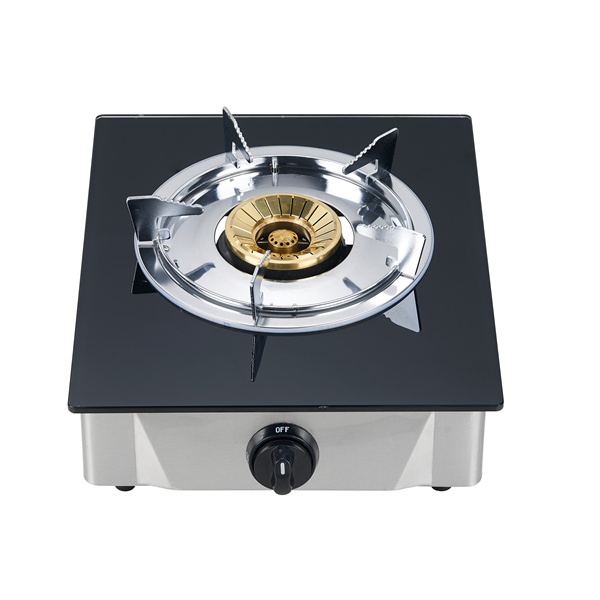
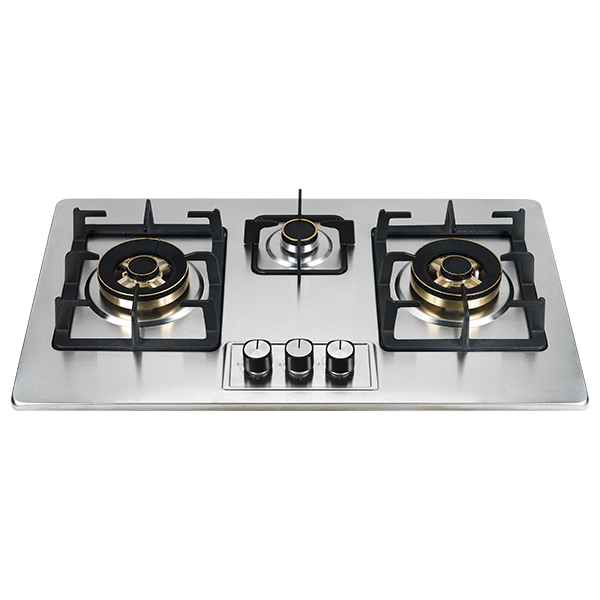
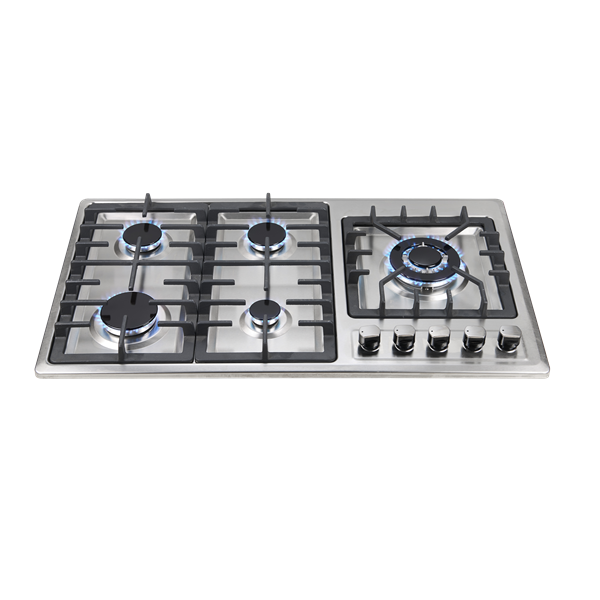
**Understanding the Disadvantages of Infrared Gas Stoves: An Informed Perspective**In recent years, infrared gas stoves have gained considerable popularity among consumers seeking efficient and modern cooking appliances. These stoves utilize infrared radiation to transfer heat directly to cookware, promising faster cooking times and improved energy efficiency compared to traditional gas stoves. However, despite their advantages, infrared gas stoves come with certain drawbacks that potential buyers should carefully consider before making a purchase.**What Is an Infrared Gas Stove?**Infrared gas stoves operate by burning gas to heat a ceramic burner, which then emits infrared radiation. This radiation transfers heat to the pot or pan without relying solely on convection or conduction, resulting in rapid and uniform heating. This technology is praised for its ability to reduce cooking times and save energy, contributing to lower utility bills and environmental benefits.**Disadvantages of Infrared Gas Stoves**While the benefits are clear, it is equally important to understand the limitations and potential problems associated with infrared gas stoves:1. **High Initial Cost**Infrared gas stoves generally come with a higher price tag compared to conventional gas stoves. The advanced technology and materials used in their construction contribute to this increased cost. For budget-conscious consumers, the initial investment may be a barrier, despite the potential long-term savings on energy.2. **Maintenance and Durability Concerns**The ceramic burners used in infrared stoves, while effective, are susceptible to damage. Cracks or wear in the ceramic surface can impair stove performance and necessitate costly repairs or replacements. Additionally, the burners require regular cleaning to prevent clogging and deterioration.3. **Limited Cookware Compatibility**Infrared stoves may not be compatible with all types of cookware. Since the heating mechanism involves direct infrared radiation, pots and pans need to have certain heat-absorbing properties to cook efficiently. Cookware made of materials such as aluminum or thin stainless steel may not perform well, limiting users’ options in their kitchen.4. **Uneven Heat Distribution**Though infrared radiation offers rapid heating, heat distribution can sometimes be uneven, especially with larger cookware or when the burner is not appropriately sized for the pan. This can result in hotspots, which may affect the quality of cooking and require careful monitoring.5. **Safety Considerations**Infrared gas stoves still use open flames to heat the ceramic elements, posing risks if not properly handled. Additionally, the high surface temperature of the ceramic burner increases the risk of burns, especially in households with children or elderly members. Proper installation and safety precautions are essential to mitigate these risks.6. **Energy Source Dependency**Like all gas stoves, infrared models depend on a continuous supply of natural gas or LPG. In regions where gas supply is inconsistent or expensive, this dependency can limit the stove’s practicality and cost-effectiveness.**A Closer Look at Industry Expertise**Understanding these disadvantages is essential for consumers aiming to make well-informed decisions. To provide a comprehensive perspective, it is valuable to consider insights from companies specializing in advanced kitchen appliances and energy-efficient cooking solutions.[Company Introduction Placeholder: Insert detailed company background here, highlighting expertise in technology, consumer focus, and innovation in kitchen appliance design.]With decades of experience in research and development, the company emphasizes both the benefits and potential drawbacks of various cooking technologies. Their approach involves educating consumers on matching kitchen appliances to lifestyle needs, budget constraints, and safety requirements.**Making an Informed Choice**When choosing a stove, it is crucial to weigh the advantages of infrared technology against its disadvantages. While infrared gas stoves offer energy savings and cooking speed, consumers should consider factors such as maintenance, cookware compatibility, safety, and cost.For those prioritizing quick cooking and energy efficiency and willing to invest in suitable cookware and maintenance, infrared stoves may represent a worthwhile upgrade. Conversely, families seeking low-cost, low-maintenance options might prefer traditional gas stoves.**Conclusion**Infrared gas stoves represent an innovative step forward in kitchen technology, blending energy efficiency with modern cooking techniques. However, potential buyers need to be fully aware of their limitations, including higher cost, maintenance needs, cookware restrictions, and safety concerns.Informed consumer choices supported by expert industry guidance ensure kitchen appliances not only improve cooking experiences but also align with household requirements and long-term satisfaction.**Contact Information**For more details on infrared gas stove technology, maintenance tips, and selecting the right kitchen appliance, consumers can reach out to industry leaders specializing in innovative cooking solutions.---*Note: This article removes any mention of specific brand names to maintain neutrality and impartiality, focusing on factual information and industry insights.*
Read More