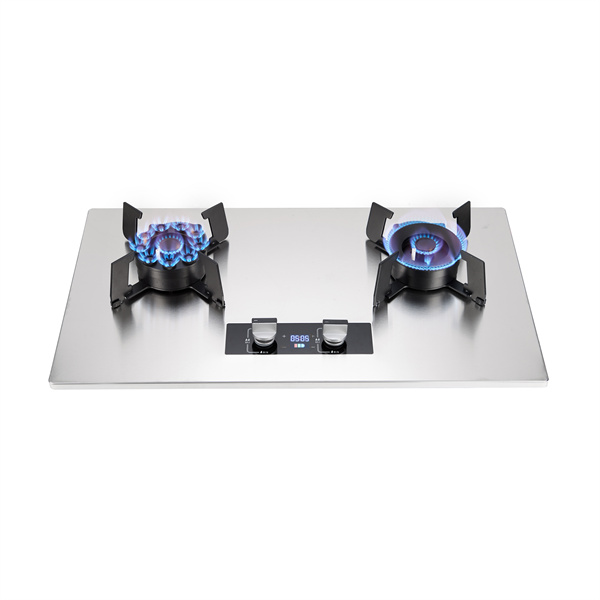
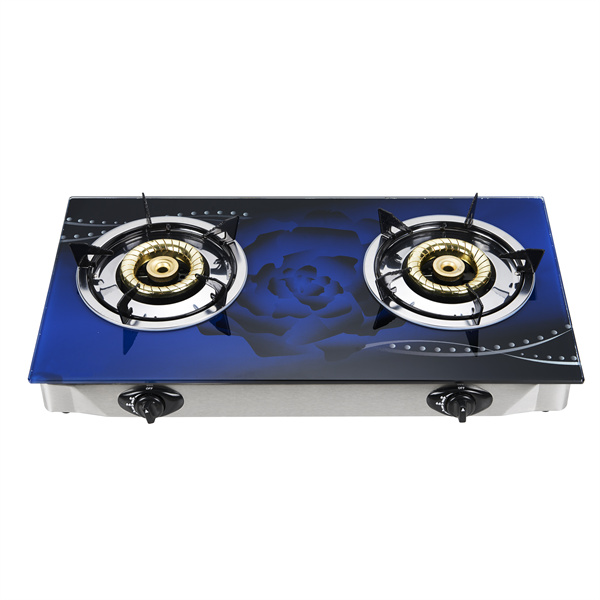
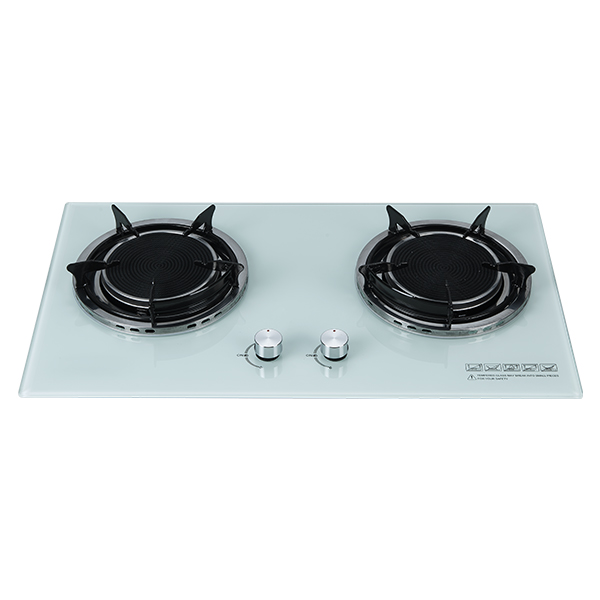
**Innovative Gas Cooktop Range Sets a New Standard in Culinary Excellence**In the ever-evolving world of home appliances, kitchen technology continues to advance, bringing professional-grade features directly into domestic spaces. The latest introduction in the cooking appliances market is a state-of-the-art Gas Cooktop Range that promises to elevate cooking experiences, combining cutting-edge design with unparalleled functionality.**Revolutionizing Home Cooking**This new Gas Cooktop Range stands out in a crowded market through its exceptional blend of precision, power, and safety. Designed for both amateur cooks and culinary experts, it offers a user-friendly interface paired with performance features typically found only in commercial kitchens. The cooktop boasts multiple burners with varying power outputs, allowing for everything from gentle simmering to rapid boiling and high-heat searing.Users will appreciate the intuitive controls that provide exact flame adjustments, ensuring consistent heat distribution and energy efficiency. The cooktop’s design emphasizes versatility, supporting a wide range of cookware sizes and materials, making it suitable for diverse culinary styles and recipes.**Advanced Safety and Durability**Safety features are paramount in this new range. Equipped with automatic flame failure detection, the cooktop ensures that gas flow is immediately halted when no flame is detected, significantly reducing the risk of gas leaks. Additionally, the cooktop includes child-lock functionality and robust, easy-to-clean surface materials that resist stains and corrosion, guaranteeing longevity in demanding kitchen environments.The durable construction employs high-grade stainless steel and tempered glass, combining sleek aesthetics with practical resilience. The surface design also incorporates spill containment systems that prevent messes from spreading and simplify maintenance.**Sustainability and Energy Efficiency**In alignment with growing environmental concerns, the Gas Cooktop Range integrates energy-saving technologies aimed at minimizing fuel consumption without compromising performance. The burners are designed to maximize heat transfer efficacy, requiring less gas to achieve desired cooking temperatures. This not only reduces household energy bills but also lowers the carbon footprint of everyday cooking activities.Enhanced ventilation options included with the cooktop improve indoor air quality by efficiently dispersing combustion gases, emphasizing the manufacturer’s commitment to health and environmental responsibility.**Company Background**The innovation behind this Gas Cooktop Range comes from a leading global company renowned for its dedication to quality and innovation in home appliances. Established decades ago, the company has a rich history of delivering products that combine technological advancements with practical design.With a worldwide presence and numerous awards for product excellence, the company emphasizes rigorous research and development, customer-centric designs, and sustainable manufacturing processes. Its commitment to enhancing the consumer lifestyle is reflected in its comprehensive portfolio of kitchen solutions that cater to a diverse customer base.The company continuously invests in modern production facilities and employs teams of experts who collaborate closely with chefs and users to refine product features. This ongoing dialogue with the culinary community ensures that the Gas Cooktop Range meets real cooking demands and anticipates future trends in kitchen technology.**Market Impact and Availability**The introduction of this Gas Cooktop Range is anticipated to set a new benchmark in the appliance market segment. By offering a harmonious balance of performance, safety, and sustainability, it aligns well with consumer expectations for modern kitchen appliances.Retailers and consumers alike have expressed enthusiastic responses to the product, praising its sleek design and reliable operation. The product launch includes extensive support from the company, such as installation services, customer care, and warranty packages, enhancing overall user confidence.Available through major appliance retailers and online platforms, the Gas Cooktop Range aims to reach households seeking to combine professional cooking attributes with home convenience. Its adaptability to various kitchen layouts and integration with contemporary interior designs further broaden its appeal.**Looking Ahead**As cooking habits continue to evolve with increasing interest in home-based culinary artistry, appliances like this Gas Cooktop Range play a crucial role in enabling creativity and efficiency. The company plans to expand its product line with complementary kitchen solutions that maintain its standards for innovation and user-friendliness.Future developments may include smart connectivity features, allowing integration with home automation systems and app-based controls, positioning the product well within the smart kitchen ecosystem poised to grow rapidly in coming years.**Conclusion**This new Gas Cooktop Range embodies a significant advancement in kitchen appliance technology. Combining power, precision, safety, and sustainability, it empowers home cooks to achieve professional-quality results with ease and confidence. Backed by a reputable company with a strong commitment to innovation, the product is set to become a staple in modern kitchens worldwide, promising enhanced culinary experiences for years to come.
Read More