
Gas Stove vs Electric: Which is the Better Choice for Your Kitchen?
By:Admin
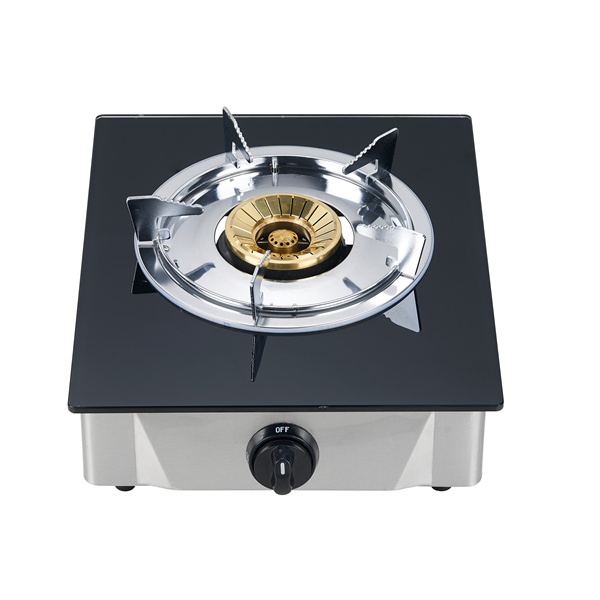
In recent years, the ongoing debate between gas and electric stoves has intensified among homeowners, chefs, and sustainability advocates alike. Each cooking technology offers its unique advantages and disadvantages, and understanding these can help consumers make informed decisions tailored to their cooking needs, lifestyle, and environmental considerations.
**Gas Stoves: The Traditional Choice**
Gas stoves have been a kitchen staple for many decades. A primary advantage of gas cooking is the instant and easily controllable flame, which allows chefs to adjust heat levels with precision. This feature is particularly appreciated by professional cooks who require immediate temperature changes to perfect their recipes.
Gas stoves also heat cookware more evenly, thanks to the direct contact of the flame with the bottom of pots and pans. This results in consistent cooking and can reduce the risk of hot spots that sometimes occur on electric cooktops. Additionally, gas stoves continue to function during power outages, an important factor for homes in areas prone to blackouts.
From a usability standpoint, many users find gas stoves easier to operate as the flame provides immediate visual feedback on heat levels. This tactile experience can enhance overall cooking enjoyment and reduce the learning curve for new cooks.
**Electric Stoves: The Modern Alternative**
Electric stoves, particularly those with smooth top designs, have gained popularity due to their sleek appearance and ease of cleaning. Unlike gas stoves, electric cooktops offer a flat surface that can double as additional counter space when not in use.
The heat distribution in electric stoves has improved significantly with the advent of induction technology, which uses electromagnetic fields to heat pots and pans directly. Induction stoves heat faster and with greater energy efficiency than traditional electric coil or radiant models. Furthermore, they are considered safer since the cooktop itself remains relatively cool to the touch, reducing the risk of burns.
Electric stoves are also often considered more environmentally friendly when paired with renewable energy sources, as they do not directly emit combustion gases in the kitchen. This can improve indoor air quality and align with sustainable living goals.
**Comparing Energy Efficiency and Environmental Impact**
When it comes to energy efficiency, the debate becomes nuanced. Gas stoves lose some heat to the surrounding air due to the open flame, whereas electric stoves, particularly induction models, deliver heat more directly and efficiently to cookware. However, the overall environmental impact depends largely on the energy source. For instance, gas stoves burn fossil fuels, releasing carbon dioxide and other pollutants. On the other hand, electric stoves powered by electricity generated from coal or natural gas plants may have a comparable carbon footprint to gas stoves.
The increasing availability of renewable energy (solar, wind, hydroelectric) greatly enhances the sustainability profile of electric cooking appliances. Consumers considering environmental factors should investigate the local energy mix when choosing between gas and electric stoves.
**Safety Considerations**
Safety is an important aspect for kitchen appliances. Gas stoves pose risks such as gas leaks and open flames, which require proper ventilation and monitoring to prevent accidents. On the contrary, electric stoves eliminate the risk of gas leaks and reduce the chance of fire hazards associated with open flames. Induction cooktops offer additional safety benefits, including automatic shut-off features when pots are removed.
**Maintenance and Longevity**
Gas stoves typically have fewer electronic components, making them robust and potentially longer lasting with proper care. However, cleaning a gas stove can be more labor-intensive due to the grates, burners, and crevices where food particles can accumulate. Electric cooktops, especially smooth glass-ceramic surfaces, are generally easier to clean but may be susceptible to scratches or cracks if handled improperly.
**Making the Right Choice**
Ultimately, whether a gas or electric stove is better depends on individual preferences, cooking habits, and priorities. Professional chefs and cooking enthusiasts may lean towards gas stoves for their responsiveness and control. Families seeking convenience, safety, and modern aesthetics might prefer electric or induction cooktops.
As technology improves, electric stoves continue to close the gap in performance, offering energy-efficient, safe, and stylish alternatives. Meanwhile, gas stoves remain favored for their traditional cooking experience and reliability in varying power conditions.
Consumers are encouraged to weigh the benefits and drawbacks, consider kitchen infrastructure, energy costs, and local regulations before making a decision. As the market evolves, both technologies are adapting to meet diverse culinary and environmental demands, ensuring that users can find a stove that suits their unique needs.
---
If you would like to learn more about advanced kitchen appliances and innovations in cooking technology, please do not hesitate to reach out. Our company specializes in offering comprehensive solutions designed to enhance your cooking experience while aligning with modern sustainability standards.